
Dental Implants – Monroe, LA
State-of-the-Art Method of Replacing Missing Teeth
If even a single tooth goes missing, your jaw loses the support it needs, causing it to break down. Not only does this increase your risk of losing more teeth, but your face will start to sag and prematurely age you. Only one tooth replacement prevents this – dental implants. Dr. John J. Roberson works with skilled dental implant specialists to deliver this state-of-the-art method of replacing missing teeth, which looks and feels just as natural as the teeth you used to have. To find out if dental implants are right for you, call us today and schedule your consultation to discuss tooth replacement with dental implants in Monroe, LA!

Why Choose John J. Roberson, DDS for Dental Implants?
- Partnered with Trusted Local Dental Implant Specialists
- Low- to No-Interest Dental Financing Available
- Experienced Dentist Who Treats Patients Like Family
What Are Dental Implants?
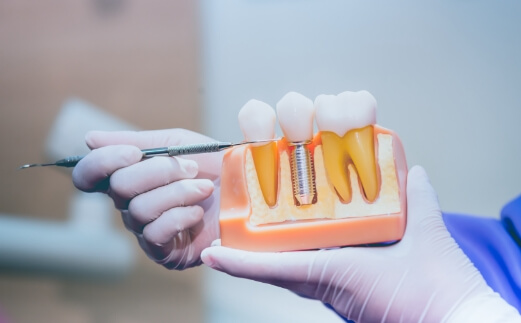
A dental implant might not look much like a tooth on its own, but that’s because it replaces the roots of the tooth, which you normally can’t see. The implant itself is a tiny metal post, usually made from titanium, that an oral surgeon places in your jaw. Then, it gradually fuses with your jawbone, creating a firm and reliable foundation for any number of missing teeth – whether that be via a dental crown, bridge, or denture.
The 4-Step Dental Implant Process
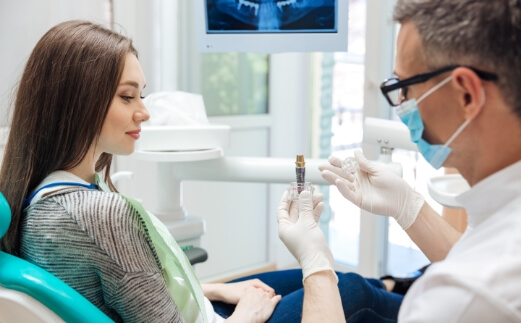
Dental implants can feel and function exactly like real teeth because of the specialized surgical process through which they are inserted into the jawbone through the gum tissue. This treatment allows implants to form a sturdy bond with the patient’s natural oral structures, creating the solid foundation the restoration mounted upon them needs to exert maximum chewing power and last for life if it receives excellent care. Here’s a quick look at how implants are placed, but please feel free to contact Dr. Roberson’s office if you’d like to know more.
Initial Dental Implant Consultation
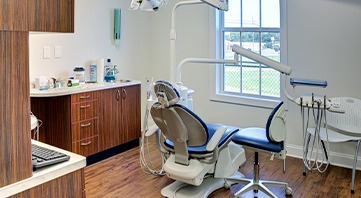
The initial visit involves Dr. Roberson evaluating your mouth and jaw to determine the specifics of your treatment as well as any prep work you might need. A suitable dental implant candidate will be free from oral infections and have jawbones strong enough to support the devices. If you aren’t ready for implants yet, we will be able to address tooth decay and gum disease with appropriate restorative treatments, and we may be able to refer you to a specialist for bone grafts if your jawbones need to be reinforced.
Dental Implant Surgery
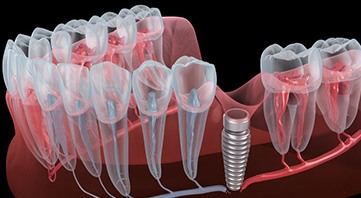
We will refer you to a trusted dental implant expert who will surgically position the implants within your jaw. This process is rendered completely painless with anesthetic treatments, and many patients report that the recovery period afterward is much more comfortable than what would be expected after a tooth extraction. We’ll make sure you receive thorough aftercare instructions so you know exactly how to ensure that your healing process remains as smooth and stress-free as possible.
Dental Implant Osseointegration & Abutment
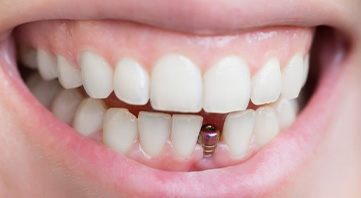
It takes up to six months for your jawbone to fuse with your implant through the natural process of osseointegration. When this is complete, you’ll come back to our office so we can attach a connecting piece called an abutment to your implant through another minor surgical procedure. We’ll also take detailed measurements of your gumline, teeth, and bite alignment so your restoration can be customized for a comfortable and functional fit.
Delivery of Dental Implant Restoration(s)
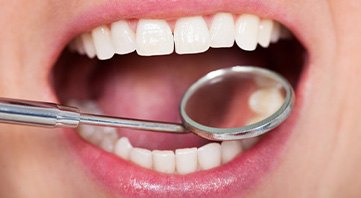
Using the measurements we have taken of your mouth, a skilled technician at a trusted dental lab will craft a customized denture, crown, or bridge designed to be securely fastened to your dental implants. When this device arrives at our office, you’ll return so we can fix it in place and make any final adjustments. You’ll then be ready to start showing off your strong and gorgeous new smile.
Benefits of Dental Implants
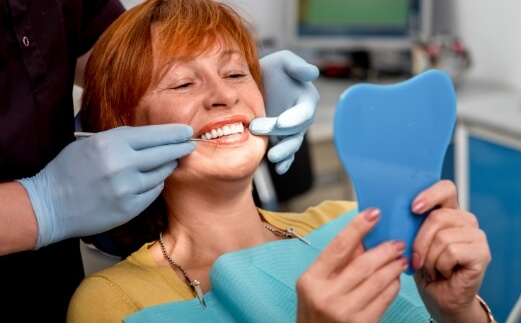
By rebuilding lost teeth from the roots up, dental implants accomplish what traditional tooth replacements can’t. That’s one of the many reasons they are considered the “gold standard!” During your consultation, we can discuss all of the benefits that come with this state-of-the-art option. However, if you want to learn more in the meantime, you can read on for a few noteworthy ones.
Day-to-Day Benefits

Once you’ve recovered from the procedure and we’ve secured your custom restoration on top, you’ll enjoy the following benefits:
- Natural Look and Feel – Oftentimes, patients are worried that their replacement teeth will protrude unnaturally or feel bulky. That’s not the case with dental implants! Since they are anchored to the jawbone and topped with a custom-made restoration, they look and feel natural.
- Improved Bite Strength – Have you resorted to eating plain yogurt, applesauce, and other extremely soft foods on repeat following tooth loss? If that’s the case, you’ll be happy to hear that dental implants can restore 80% of your bite strength. As a result, you’ll be able to enjoy a more satisfying and well-balanced diet again!
- Restored Speaking Patterns – If you’ve had trouble enunciating clearly following tooth loss, you’re not alone. The good news is that we can replace any number of missing teeth with dental implants. This, in turn, allows us to restore your complete, confident smile as well as your usual speaking patterns.
Health Benefits

There are also several health-related benefits that come with dental implants in Monroe, including:
- They Prevent Dental Drift – It usually doesn’t take long for the teeth surrounding the gap to shift into the open space. This, in turn, can lead to problems like chronic jaw pain and premature wear. With dental implants, we can prevent that from happening by filling the gaps in your smile.
- They Improve Oral Health – Other tooth-replacement options rest on your gums or remaining teeth, weakening them in the process. Fortunately, that’s not the case with dental implants because they are self-supporting.
- They Are Easy to Maintain – In short, you don’t need to adopt a cumbersome oral hygiene regimen or buy expensive products to maintain them. Just use all of the same habits that you use to care for your natural teeth, like brushing twice a day (and for two full minutes each time).
Long-Term Benefits

Dental implants are also worth your investment in the long-term because:
- They Are Long-Lasting – Usually, dentures and dental bridges need to be replaced every 10 years or so. Dental implants, on the other hand, can easily last for 30 years or longer!
- They Help Maintain a Youthful Appearance – Since they are secured to the jawbone, they provide stimulation when you chew. This, in turn, prevents it from breaking down and making you look older.
- They Provide Unmatched Stability – With dental implants, you won’t have to worry about your teeth slipping, sliding, or falling out. Instead, you can talk, laugh, and chew with complete confidence.
Who Dental Implants Can Help

No matter how empty your grin might be, dental implants can fill those spaces. This solution is versatile enough for any generally healthy adult with missing teeth to enjoy a full smile again. The main prerequisites are good oral health and a strong jawbone, but with the right preliminary treatments, Dr. Roberson can help you become a good candidate. Then, he can plan out your treatment based on the extent of your tooth loss.
Missing One Tooth
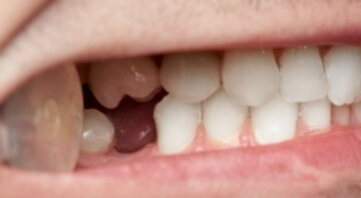
For a single gap in your smile, a dental implant can be positioned between two healthy teeth without affecting them at all. This approach is more conservative and less invasive than a dental bridge, which requires two of your healthy teeth to be shaved down for support. We can then place a tailor-made dental crown on the implant to seamlessly complete your smile.
Missing Multiple Teeth
As many as three or four missing teeth can be brought back using only two dental implants. One can be placed at each end of the gap to support a lifelike, durable bridge that doesn’t wear down your natural teeth.
Missing All Teeth
Instead of replacing each tooth with its own implant, just four to eight posts are usually enough to adequately support a full denture with greater security than traditional prosthetics. Implant dentures provide enhanced chewing power and stay in place no matter what you eat.
Learn More About Implant Dentures
Understanding the Cost of Dental Implants
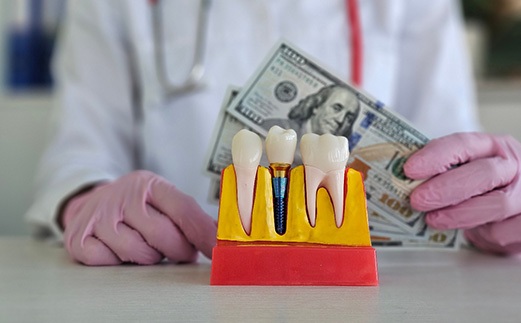
It’s natural to have questions about the dental implant process, and one of the first things many patients ask about is the potential cost. However, the total invoice for your treatment can depend significantly on your unique circumstances.
Our team is happy to provide an accurate estimate after your initial consultation and examination with Dr. Roberson. Continue reading to learn more about how pricing is determined and how our office helps make dental care more affordable!
Preliminary Treatments & Dental Implant Surgery
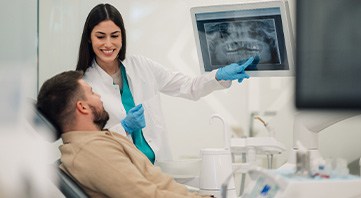
Our team will update your medical history and examine your teeth, gums, and jawbone before proceeding with dental implants to ensure you’re a good candidate and can recover effectively from oral surgery. Some patients may need preliminary treatments, like gum disease therapy or an additional bone graft to build up their jaw, before proceeding.
Then, you’ll also be responsible for covering the cost of your dental implant placement. Dr. Roberson works with trusted local experts and can recommend a provider, whose services you'll also need to pay for.
The Parts of Your Dental Implant
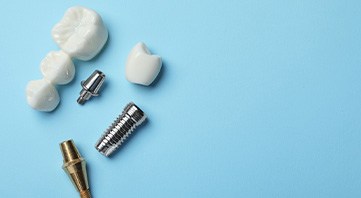
You will also be responsible for paying for your dental implant(s) itself, though pricing can vary according to different factors, including:
- How many implant posts are needed. Those receiving a single implant can expect to pay less than those having several placed.
- The type of restoration. Different prosthetics, such as dental crowns, bridges, and dentures, each have associated costs.
- Materials used. Titanium is the standard material for this service, though zirconia is also a popular option and can affect the rate.
- Manufacturing brand. Manufacturers make dental implants to meet clients’ needs and preferences, and prices can vary.
How Dental Implants Are Worth the Investment

If you’re on a tight budget, you might feel tempted to choose the cheapest possible options. But paying for high-quality replacement teeth helps ensure they fit accurately and last longer, so you can enjoy their benefits for longer.
For example, a well-made dental implant can potentially last for 20+ years with proper care and is less likely than traditional dentures or bridges to become destabilized or dislodged. This helps avoid injuries or breaks that often require costly relining, repairs, or replacement.
Also, you don’t need to regularly buy accessories, such as adhesives, special cleaners, or soaking solutions, to maintain these replacement teeth, which can reduce out-of-pocket expenses that otherwise add up over time.
Does My Dental Insurance Cover Dental Implants?

Our office welcomes dental insurance, but many of these policies consider implants a luxury rather than a necessity, and don’t cover the cost. But there may be exceptions, or parts of your treatment, like the exams or imaging, might be included.
If you have questions about your coverage, feel free to contact the office. Our knowledgeable staff is happy to provide more information or help with insurance claims or paperwork to maximize any potentially available benefits.
Making Dental Implants Affordable

We understand that many patients are concerned about the cost of dental implants and don’t have insurance coverage to help pay for them. But we also believe that everyone deserves to have quality restorations to rebuild their smile’s function and appearance after one or more teeth are lost.
That’s why we also gladly accept low- to no-interest payment plans through CareCredit. If your application is approved, you can divide your total invoice into more manageable installments over a set period, which can be easier on your budget.
Dental Implant FAQs
Does Getting Dental Implants Hurt?
There should be little to no discomfort during your implant surgery. Not only will your mouth be numbed beforehand, but you will typically be sedated, putting you in a state where you’re less likely to feel pain.
As with any type of oral surgery, you can usually expect your mouth to be sore for a few days following dental implant placement. The pain will be mild and can be controlled with medication or a cold compress. Your discomfort should start to improve after two or three days; call our office immediately if it grows worse instead.
How Successful are Dental Implants?
Dental implants are considered extremely reliable with a success rate of over 95%; you can generally count on them lasting a long time once they’ve been placed. Of course, there are a few different factors that can affect the success of your implants:
- The skill of the professional performing the procedure makes a difference. That’s why we refer our patients to local specialists for implant surgery.
- You need to practice excellent oral hygiene to minimize the risk of the tissues holding your implants in place becoming infected.
- Dental implants for the back teeth are slightly more likely to fail (though still have a high rate of success) because more pressure is placed on them when chewing.
Am I Too Young/Old to Get Dental Implants?
Dental implants are typically only recommended for patients aged 18 years or older. This is because the jaw usually isn’t fully developed until young adulthood; placing implants in a jawbone that’s still growing could lead to serious problems.
On the other hand, there is no upper age limit for dental implant surgery. That means that once you become an adult, you are most likely a candidate for dental implant surgery as long as you have a healthy mouth and strong jawbone.
Is There Anything I Shouldn’t Eat with Dental Implants?
While you’re recovering from implant surgery, you should stay away from hard foods as well as anything that’s alcoholic, acidic, or high in sugar. Once your mouth has healed and your final restoration has been placed, you will be able to eat almost anything you could with natural teeth. That said, you still need to be careful around anything sticky or chewy that might loosen or dislodge your restoration. Also, avoid biting down on overly hard foods like ice and nuts; if you’re not careful, they could do permanent damage to your implants.